




September 2026 Update: Apple has introduced the iPhone 18 Pro, iPhone 18 Pro Max, and iPhone Duo. The iPhone 18 Pro Max starts at $1,299 in the U.S., $100 above the iPhone 17 Pro Max's original $1,199 starting price. With Apple's final specifications now public, the comparison no longer depends on pre-launch estimates.
Buy the iPhone 17 Pro Max or move to the iPhone 18 Pro Max?
The answer is clearer now. Apple's iPhone 18 Pro Max starts at $1,299. The foldable, previously referred to as the iPhone Fold or iPhone Ultra, is officially the iPhone Duo. And the standard iPhone 18 wasn't part of Apple's September 2026 announcement.
For someone shopping at the Pro Max level, the decision is no longer about rumors. It comes down to what actually changed from the iPhone 17 Pro Max to the iPhone 18 Pro Max, how much those changes matter to you, and what price you can find on the older model.
Did iPhone Prices Go Up in 2026?
For the Pro Max, yes — but not by the amount that dominated some of the pre-launch discussion.
The iPhone 17 Pro Max originally started at $1,199 in the U.S. The iPhone 18 Pro Max starts at $1,299. At the entry tier, that's a $100 increase from one generation to the next.
Before Apple published the final price, larger increases were being discussed because of higher component costs across the electronics industry. That uncertainty mattered while buyers were deciding whether to purchase early or wait. It no longer needs to drive the comparison.
If you're deciding between the two Pro Max generations now, $100 is the relevant difference between their original U.S. starting prices. The actual gap can be wider if you find an iPhone 17 Pro Max through a retailer or carrier at a lower price.

What Happened to iPhone 17 Prices After the iPhone 18 Launch?
There isn't one fixed post-launch discount that applies to every iPhone 17 or every seller.
The iPhone 17 Pro Max launched at $1,199. Once a newer Pro generation has launched, the useful number is the price you can actually buy the older phone for. Retailer inventory, carrier offers, storage capacity, trade-ins, and promotional periods can all affect that figure.
If a 17 Pro Max is still close to its original $1,199 price, the $100 gap to the $1,299 iPhone 18 Pro Max is relatively small. At that point, a buyer starting from scratch has more reason to consider the newer model.
A substantial discount changes the calculation. The iPhone 17 Pro Max still has a 6.9-inch Super Retina XDR display with ProMotion, A19 Pro, three 48MP Fusion rear cameras, an 18MP Center Stage front camera, native 4x telephoto, an optical-quality 8x option, and storage up to 2TB. Those features didn't stop being useful because a newer model arrived.
The standard iPhone 17 is a separate case. Apple did not introduce a standard iPhone 18 at its September 2026 event, so searches for iPhone 17 vs. iPhone 18 are not yet a straightforward comparison between two equivalent standard models. The September lineup centered on the Pro models and the iPhone Duo.
How the iPhone 18 Lineup Has Changed
One important part of the pre-launch reporting proved correct: Apple did not introduce the next iPhone generation as one conventional group of models.
| Model | Place in the Lineup | What Is Confirmed |
|---|---|---|
| iPhone 18 Pro / Pro Max | Conventional premium iPhones | Officially introduced by Apple in September 2026 |
| iPhone Duo | Apple's first foldable iPhone | Officially introduced by Apple |
| Standard iPhone 18 / iPhone 18e / next iPhone Air | Not part of Apple's September 2026 announcement | Future timing has not been confirmed by Apple |
For Pro buyers, that removes most of the uncertainty that shaped the original version of this article. The iPhone 18 Pro Max can now be judged against the iPhone 17 Pro Max using Apple's published specifications rather than supply-chain estimates.
For buyers who specifically want a standard non-Pro iPhone, the situation is different. Apple did not announce the standard iPhone 18 at the September event, so any discussion of its future timing still needs to be treated separately from the confirmed Pro lineup.
iPhone 17 Pro Max vs. iPhone 18 Pro Max: What Actually Changed?
The two phones share more than some pre-launch comparisons suggested. Both have 6.9-inch displays, three 48MP Fusion rear cameras, 18MP Center Stage front cameras, native 4x telephoto, an optical-quality 8x option, and storage configurations reaching 2TB.
The differences that matter are more focused: price, battery rating, A20 Pro, variable aperture on the Main camera, and the redesigned Dynamic Island.
| Feature | iPhone 17 Pro Max | iPhone 18 Pro Max |
|---|---|---|
| Original U.S. starting price | $1,199 | $1,299 |
| Display | 6.9-inch Super Retina XDR | 6.9-inch Super Retina XDR |
| Chip | A19 Pro | A20 Pro |
| GPU | 6-core GPU with Neural Accelerators | 7-core GPU with Neural Accelerators |
| Neural Engine | 16-core Neural Engine | Dual 16-core Neural Engine |
| Dynamic Island | Previous design | Smaller redesigned Dynamic Island |
| Main camera | 48MP Fusion Main | 48MP Fusion Main with variable aperture: ƒ/1.48, ƒ/1.8, ƒ/2.8, ƒ/4.0 |
| Telephoto | 48MP Fusion Telephoto; native 4x and optical-quality 8x | 48MP Fusion Telephoto; native 4x and optical-quality 8x |
| Front camera | 18MP Center Stage | 18MP Center Stage |
| Video playback* | Up to 39 hours | Up to 45 hours |
| Base storage | 256GB | 256GB |
| Maximum storage | 2TB | 2TB |
*Battery figures above use Apple's U.S. eSIM-only Pro Max video-playback ratings. Actual battery life varies by use and conditions.
The Price Difference Is Smaller Than Expected
The iPhone 17 Pro Max started at $1,199; the iPhone 18 Pro Max starts at $1,299. The much larger increases discussed before the announcement did not materialize at the starting tier.
That leaves a $100 difference between their original U.S. launch prices. If you're comparing two phones at prices close to those figures, the 18 Pro Max doesn't need a dramatic advantage to justify the extra cost. If the 17 Pro Max is heavily discounted, the value argument starts moving in the other direction.
Battery: 39 Hours vs. 45 Hours
Apple rates the U.S. eSIM-only iPhone 17 Pro Max for up to 39 hours of video playback. The corresponding figure for the iPhone 18 Pro Max is up to 45 hours.
Those are controlled Apple ratings, not a promise of six extra hours in every person's day. GPS, mobile signal, screen brightness, gaming, camera use, and background activity all affect how long a phone lasts between charges.
Even with that limitation, battery is one of the clearer differences between the two generations. If you regularly end a long day close to empty, the higher rating on the 18 Pro Max is more relevant than changes you may rarely notice.
The Main Camera Gets Variable Aperture
The main camera is where the 18 Pro Max makes its clearest camera change. Its 48MP Fusion Main camera offers variable aperture settings of ƒ/1.48, ƒ/1.8, ƒ/2.8, and ƒ/4.0, along with new Pro controls for settings including aperture, shutter speed, and white balance.
That gives photographers more control over how much light reaches the sensor and how depth of field is handled. For users who mostly leave the camera in automatic mode, the importance of those controls will naturally be smaller.
The telephoto story is different. Both the iPhone 17 Pro Max and iPhone 18 Pro Max use a 48MP Fusion Telephoto with a native 4x perspective and an optical-quality 8x option. The 18 Pro Max therefore shouldn't be presented as a major zoom upgrade over the 17 Pro Max.
The same applies to the front camera. The iPhone 17 Pro Max already introduced an 18MP Center Stage front camera, and the iPhone 18 Pro Max remains at 18MP. Front-camera resolution is not a generational upgrade here.
A20 Pro Moves the Hardware Forward
The iPhone 17 Pro Max uses A19 Pro with a 6-core CPU, 6-core GPU with Neural Accelerators, and a 16-core Neural Engine. The iPhone 18 Pro Max moves to A20 Pro with a 6-core CPU, 7-core GPU with Neural Accelerators, and a Dual 16-core Neural Engine.
Apple also redesigned the thermal system around A20 Pro, with a larger next-generation vapor chamber aimed at sustained performance.
For messaging, browsing, video streaming, and other ordinary phone use, the specification sheet alone doesn't tell you how large the difference will feel. The newer hardware matters more if you regularly play demanding games, edit video, use graphics-heavy software, or intend to keep the phone through several future software generations.
The Dynamic Island Is Smaller
The Dynamic Island changed on the iPhone 18 Pro line. Apple redesigned it to take up less space while showing more information, including support for up to three Live Activities at once.
It's a useful refinement, but it shouldn't decide a $1,299 purchase on its own. The price you can get on the 17 Pro Max, battery life, variable-aperture camera, and A20 Pro are stronger reasons to choose one generation over the other.
What About the iPhone Duo?
The foldable device previously referred to as the iPhone Fold and iPhone Ultra is officially called the iPhone Duo.
It is not simply an iPhone 18 Pro Max with a folding screen. The hardware choices are different enough that it makes more sense to treat it as a separate branch of the lineup.
| Confirmed Spec | iPhone Duo |
|---|---|
| Inner display | 7.6-inch Super Retina XDR folding display with nano-texture |
| Outer display | 5.4-inch Super Retina XDR display |
| Chip | A20 Pro |
| Rear cameras | 48MP Fusion Main + 48MP Fusion Ultra Wide |
| Telephoto | Optical-quality 2x from the Main camera; no dedicated Fusion Telephoto |
| Authentication | Touch ID in the side button |
| Front cameras | 12MP Center Stage outer camera + under-display FaceTime camera inside |
| Video playback | Up to 44 hours using the outer display / 31 hours using the inner display |
| Starting price | $1,999 |
| Storage | 256GB, 512GB, 1TB, 2TB |
| Colors | Star White, Night Sky |
The broad outline reported before launch was close: a book-style foldable, A20 Pro, two rear cameras, and a price around $2,000. The final specifications also clarify several points that were uncertain before launch.
The Duo doesn't have the dedicated Fusion Telephoto used by the Pro models, but its 48MP Main camera still provides an optical-quality 2x option. It uses Touch ID in the side button rather than Face ID, while the inner screen includes an under-display FaceTime camera.
Apple also lists support for Apple Pencil (USB-C), giving the 7.6-inch inner display a use case that doesn't exist on the conventional Pro Max.
If that larger folding workspace is the reason you want the phone, the Duo makes sense as its own choice. If camera reach, a conventional form factor, or a lower starting price matter more, the iPhone 18 Pro Max is the closer fit.
What About the 2027 iPhone?
This is where confirmed information ends.
2027 marks 20 years since the original iPhone, and reporting from Bloomberg and other outlets has pointed to a more substantial redesign around the anniversary generation. Recent reports have described a more glass-focused Pro design with changes around the display and outer edges.
Apple has not announced those models, their specifications, final design, price, or naming. That distinction matters. A reported redesign can be a reason to keep watching the next generation; it should not be described as a confirmed product feature.
If your current iPhone still works well and a larger design change is specifically what you're waiting for, delaying an upgrade can be reasonable. If your current phone is already creating daily problems, an unannounced future model is a much less certain reason to keep waiting.
So, Should You Buy the iPhone 17 Pro Max or iPhone 18 Pro Max?
The answer depends less on which number is newer and more on the price difference you actually face.
Choose the iPhone 17 Pro Max when the discount is substantial
If you can find the iPhone 17 Pro Max well below the iPhone 18 Pro Max's $1,299 starting price, it remains a strong piece of hardware. You still get the 6.9-inch ProMotion display, A19 Pro, three 48MP Fusion cameras, 18MP Center Stage front camera, native 4x telephoto, optical-quality 8x, and up to 2TB of storage.
It also makes sense if the 39-hour Apple video-playback rating already covers your needs and variable aperture isn't something you expect to use.
At or near its original $1,199 price, however, the argument becomes weaker. Saving $100 is less compelling when the newer model adds A20 Pro, variable aperture, the redesigned Dynamic Island, and a higher battery rating.
Choose the iPhone 18 Pro Max when the price gap stays narrow
If the two phones you're considering are separated by roughly $100, the iPhone 18 Pro Max is easier to justify for a new purchase.
Battery is the most straightforward difference: Apple's U.S. eSIM-only rating rises from up to 39 hours of video playback on the 17 Pro Max to up to 45 hours on the 18 Pro Max.
The 48MP Fusion Main camera also gains variable aperture and additional Pro controls, while A20 Pro brings a 7-core GPU and Dual 16-core Neural Engine. Those changes matter more if you keep your phone for several years or regularly use demanding camera, gaming, or creative workloads.
Don't move to the 18 Pro Max solely for a longer zoom range or a higher-resolution selfie camera. Those aren't meaningful generational differences here.
Wait if neither phone solves the problem you're trying to fix
If you want a standard non-Pro iPhone rather than a Pro Max, Apple's September 2026 announcement didn't provide a direct successor to the standard iPhone 17.
Waiting can also make sense if your current phone works well and the reported 2027 redesign is the change you actually care about. The important part is keeping the two situations separate: Apple's current Pro and Duo specifications are confirmed; the future 2027 design is not.
A Simple Decision Tree
Is the iPhone 17 Pro Max substantially cheaper than the iPhone 18 Pro Max?
Yes: If its battery, camera system, and A19 Pro performance already cover what you need, the discount may make the 17 Pro Max the better value.
No: If the prices are close, the 18 Pro Max gives you the newer chip, variable aperture, redesigned Dynamic Island, and higher Apple-rated battery figure.
Do you specifically want a foldable iPhone?
If the 7.6-inch inner display is the feature you're buying for, compare the iPhone Duo instead. It serves a different use case from either Pro Max generation.
Are you mainly waiting for the next standard iPhone or a larger design change?
If your current phone still works well, waiting is reasonable. Just keep future iPhone 18 standard-model timing and the reported 2027 redesign separate from the hardware Apple has already confirmed.
What to Get After You Choose
Once you've chosen the phone, the case and screen protector are the accessories worth sorting out first.
If you're going with the iPhone 18 Pro Max, ESR's MagSafe iPhone 18 Pro Max cases are made for the new model's dimensions, camera layout, and controls rather than relying on fit from an older generation.


Find the right iPhone 18 Pro Max case for your everyday setup. Explore clear anti-yellowing cases, rugged Cyber Tough protection, vegan leather designs, Flex Stand cases, and bundles with screen protection or a magnetic wallet. Shop all cases
MagSafe-compatible options · Clear, rugged & vegan leather styles · Flex Stand designs · Protection bundles
For an iPhone 17 Pro Max, the one-piece Corning glass camera lens protector covers the lens area without enclosing the entire camera platform. ESR also offers Corning-glass screen protection and a privacy screen protector for users who want to limit side viewing in shared spaces.
If you're choosing the smaller iPhone 17 Pro instead, the Classic Hybrid Magnetic Case with Stash Stand combines MagSafe compatibility with a stand that folds back into the case.
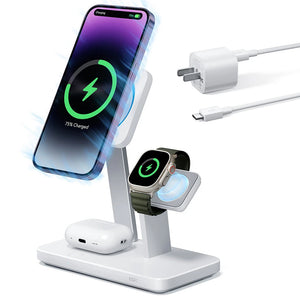
For a desk or bedside setup, the 3-in-1 25W Qi2.2 wireless charging station brings compatible iPhone, Apple Watch, and AirPods charging into one place. If you also carry cards with your phone, the Geo magnetic wallet with grip stand adds Find My support alongside card storage and a built-in stand.
Frequently Asked Questions
Have iPhone 17 prices dropped since the iPhone 18 came out?
There is no single post-launch discount that applies to every seller. The iPhone 17 Pro Max originally started at $1,199 in the U.S., while the iPhone 18 Pro Max starts at $1,299. Retailer inventory, carrier promotions, storage capacity, and trade-in offers can all change the price of an older model. Compare the price available to you rather than assuming a fixed discount.
Is the iPhone 18 Pro Max more expensive than the iPhone 17 Pro Max?
Yes. The iPhone 17 Pro Max launched at $1,199 in the U.S., while the iPhone 18 Pro Max starts at $1,299. That puts the difference between their original starting prices at $100.
What are the biggest differences between the iPhone 17 Pro Max and iPhone 18 Pro Max?
The main confirmed differences are A20 Pro, variable aperture on the 48MP Fusion Main camera, the smaller redesigned Dynamic Island, and the higher Apple-rated battery figure. For U.S. eSIM-only models, Apple rates the iPhone 18 Pro Max for up to 45 hours of video playback versus up to 39 hours for the iPhone 17 Pro Max.
Does the iPhone 18 Pro Max have a better telephoto camera than the iPhone 17 Pro Max?
The published zoom options are similar. Both phones use a 48MP Fusion Telephoto with a native 4x perspective and an optical-quality 8x option. The more notable camera change on the iPhone 18 Pro Max is variable aperture on the 48MP Fusion Main camera.
Does the iPhone 18 Pro Max have a better front camera than the iPhone 17 Pro Max?
Front-camera resolution does not increase between these two models. The iPhone 17 Pro Max already uses an 18MP Center Stage front camera, and the iPhone 18 Pro Max also uses an 18MP Center Stage front camera.
Should I buy the iPhone 17 Pro Max or iPhone 18 Pro Max?
If the iPhone 17 Pro Max is only about $100 cheaper, the iPhone 18 Pro Max gives you A20 Pro, variable aperture, a redesigned Dynamic Island, and a higher Apple-rated battery figure for a relatively small increase. The iPhone 17 Pro Max becomes more attractive when retailer, carrier, or trade-in pricing creates a substantially larger gap.
Has the iPhone 18 Pro Max been officially announced?
Yes. Apple introduced the iPhone 18 Pro and iPhone 18 Pro Max in September 2026. The iPhone 18 Pro Max starts at $1,299 in the U.S. and features A20 Pro, a 6.9-inch Super Retina XDR display, and a 48MP Pro Fusion camera system with variable aperture on the Main camera.
Should I wait for the standard iPhone 18?
If you specifically want a standard non-Pro iPhone and your current phone still works well, waiting may make sense. Apple did not introduce the standard iPhone 18 at its September 2026 event. Reports have pointed toward additional models after the initial Pro and Duo lineup, but Apple has not confirmed a release schedule for the standard iPhone 18.
Sources: Apple Newsroom: iPhone 18 Pro and iPhone 18 Pro Max; Apple iPhone Compare; Apple Newsroom: iPhone 17 Pro and iPhone 17 Pro Max; Apple iPhone Duo Technical Specifications. Reporting about the unannounced 2027 generation is based on Bloomberg reporting and subsequent coverage and should be treated separately from Apple's confirmed product information.
iPhone 18 Pro, iPhone 18 Pro Max, and iPhone Duo specifications and U.S. starting prices in this article reflect Apple's official September 2026 information. Details concerning the standard iPhone 18 and any 2027 anniversary-generation redesign have not been confirmed by Apple.
You May Also Like To Read:
2、Samsung's Creaseless Fold vs. Apple's iPhone Duo: Two Audiences, Two Ecosystems


1 comment