













Running out of battery on your Apple Watch can easily disrupt your day and ruin travel plans. Whether you forgot the wall adapter, left the magnetic cable at home, or do not have your usual charging dock, you still have several safe backup options.
In this guide, we’ll cover the best ways to charge your Apple Watch with alternative power sources and cable‑free accessories. These options help your watch stay ready for anything.

Emergency Sources (Requires Cable)
Myths, Risks, and Common Charging Mistakes
Pro Travel Setup (3‑in‑1 station)
Emergency Sources (Requires Cable)
If you still have your Apple Watch magnetic charging cable, you can safely recharge using other power sources you already carry. These backup options are ideal when you are traveling and just need a reliable way to top up your watch without risky DIY tricks.
1. Charge Through a Laptop or Computer USB Port
If you have your Apple Watch magnetic charging cable but no wall adapter, you can plug the cable into a powered USB port on a laptop or desktop computer. Most modern computers provide enough power to slowly recharge the watch while you work, browse, or stream. This is a practical option in cafés, co‑working spaces, and hotels when standard wall outlets are unavailable.
Note: Charging via a computer is usually slower than using a wall adapter or dedicated charger, so it works best for desk use or overnight charging when you are not in a hurry.

2. Use a Power Bank for On‑the‑Go Charging
When wall outlets are unavailable, you can pair your Apple Watch magnetic charging cable with a power bank to keep your watch charged. Just connect the cable to a USB or USB‑C port on the power bank and place the watch on the magnetic pad as usual. This setup works well on trains, road trips, and outdoor activities where access to standard chargers is limited.
Note: Use certified power banks from trusted brands to reduce risks such as overheating and unstable power, which could harm long‑term battery health.
3. Reverse Charge with a USB‑C iPhone
Newer USB‑C iPhones, such as iPhone 15 and later, can share power with your Apple Watch. The USB‑C end plugs into the iPhone, and the other end attaches to the back of the watch, allowing your phone to act as a portable power source. This is a useful emergency backup when you have the cable but no wall adapter or power bank nearby.
Fast‑Charging Support on Newer Models
Apple Watch Series 7 and later support faster charging when used with compatible fast‑charging accessories. If you fall back on older docks or basic chargers, speeds will be slower, making reliable fast‑charging gear even more valuable on busy days.
Note: Reverse charging will drain your iPhone's battery, so use it sparingly in emergencies to top up your Apple Watch with enough juice until you’re able to fully recharge your watch and iPhone.

4. Use a Car Charger During Long Drives
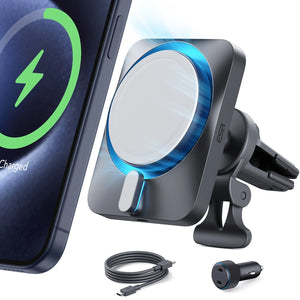
If you keep a car charger with USB or USB‑C ports in your vehicle, you can use it with your Apple Watch magnetic charging cable to recharge while driving. This is helpful when you spend long days on the road and do not have easy access to wall outlets. Keeping a spare Apple Watch cable in the car ensures you can recharge the battery whenever you're on the road.
Note: Choose a car charger from a reputable brand to ensure stable power and avoid overheating or battery issues.
Cable‑Free Charging Solutions
If you do not have your Apple Watch cable with you, you will need accessories that can charge the watch directly. Cable‑free solutions, like a wireless charging module or a compact multi‑device charging station, are the most efficient way to stay prepared at home and on the go.
ESR Portable USB‑C dongle
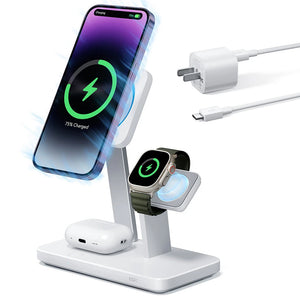
To avoid cable clutter, a wireless charger running from a USB port is the most efficient travel solution. The Qi2 3‑in‑1 Charging Set with a portable watch charger provides a simple way to charge iPhone, Apple Watch, and AirPods together.
On trips, it can sit on a hotel nightstand and replace the need for separate cables. For the watch, the charging spot delivers 5 W of power and can charge from 0% to 100% in about 100 minutes, while remaining compatible with current watchOS upgrades.

Myths, Risks, and Common Charging Mistakes
Some Apple Watch “hacks” look helpful online, yet can actually damage the watch or void the warranty. Having explored the best alternatives, let’s clear up a few myths before choosing any charging method:
1. Hidden Port Charging: Some posts suggest using a hidden port, but newer Apple Watch models do not support it safely. On Series 7 and later, this port is not for charging, and using it can cause damage and void the warranty.
2. MagSafe iPhone Charger: An iPhone MagSafe puck looks similar but is not designed to charge an Apple Watch directly. Different coil sizes and magnet alignment often cause weak and failed charging, so this ‘trick’ should not be used.
3. Risky DIY Guides: A DIY Apple Watch charger tutorial might instruct people to cut cables or expose wires in a dangerous way. These “creative” fixes bring real shock, fire, and damage risks, so they should never be followed.
4. Cheap Third‑Party Cables: Very cheap charging cables may skip safety protections and send unstable power to your Watch. Overheating and long‑term battery damage are possible, making trusted, certified accessories a much better choice.
5. Non‑Certified Wireless Pads: Generic wireless pads sometimes claim wide support without actually working well with the watch’s charging coils. Poor alignment can cause slow, unstable, or no charging, wasting time and adding frustration.
Pro Travel Setup (3‑in‑1 station)
For frequent travelers, a compact multi‑device charging station is the easiest way to keep your Apple Watch and other devices ready without juggling multiple adapters. The CryoBoost Foldable 3‑in‑1 Magnetic Charging Station folds flat for easy packing, then unfolds into a stable stand for your iPhone, Apple Watch, and AirPods.
Its MFW‑certified Apple Watch charger supports all current watchOS upgrades and can charge your watch to about 80% in around 30 minutes. Once set up on a hotel nightstand or desk, it quietly keeps everything charged so you can focus on your schedule instead of hunting for spare outlets.

Final Verdict
In summary, your ideal charging setup depends on where you spend time and how often you travel. Some people only need simple backups for emergencies, while others want organized gear that supports every device. If you want the best way to charge your Apple Watch at home, explore ESR accessories to find a setup that fits your usage.
People Also Ask
Can I use a MagSafe charger for an Apple Watch?
No, a MagSafe charger is designed for the iPhone and does not fit the Apple Watch charging coils. Using it can often cause weak or failed charging, so it is not a safe option for daily use.
Can an iPhone reverse charge an Apple Watch?
Yes, newer USB-C-equipped iPhones can charge an Apple Watch using a USB-C magnetic charging cable. This works best for short emergency top-ups when no other charging options are available.
What is the safest way to charge an Apple Watch while traveling?
The safest way is to use certified chargers, like the official Apple cable and trusted travel charging accessories. These options help protect the battery and keep your Apple Watch working reliably during every trip. To upgrade your setup, explore ESR’s Apple Watch charging accessories to find a reliable option that matches your needs.


