


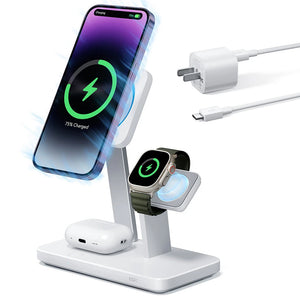


Many people use their phones for around 4 hours every day but rarely consider simple stands that improve comfort during desk work, cooking, travel, or content creation. Globally, there are about 7.379 billion smartphone users, making small ergonomic fixes like a cell phone stand much more important.

Why You Actually Need a Phone Stand?
8 Real-World Situations Where a Stand Helps
How to Choose the Right Type of Phone Stand?
How to Choose a Phone Stand (and Avoid Common Mistakes)
Recommended Setups for Different Users
Why You Actually Need a Phone Stand?
8 Real-World Situations Where a Stand Helps
A simple desk or travel stand solves different problems depending on where you actually use your phone. FlexiSpot’s guide on cell phone stands notes that stable setups can improve comfort and ergonomics.
1. Video Conferencing and Office Work
A solid stand keeps your phone at eye level and helps you focus.

Benefits
● Keeps the phone stable during long video calls, meetings, and busy workdays.
● Raises the camera for a cleaner, more professional on-screen appearance.
● Keeps your phone visible for desk use, so you never miss important work notifications.
2. Cooking and Following Tutorials
Balancing your phone on or against an object is risky and can cause it to fall over. A good phone stand keeps the screen visible for recipes and videos without constant readjusting.

Benefits
● Let's you follow recipes hands-free while you chop, stir, and clean.
● Flat, non-slip base helps prevent your phone from sliding on wet kitchen counters.
● Keeps your phone away from spills and stops grease and food from getting on your screen.
3. Travel and Commuting
Portable cell phone standmakers highlight thin, foldable designs as the most practical choice for travel setups.

Benefits
● Folds flat to slip easily into pockets, backpacks, or laptop sleeves.
● Sets up quickly on airplane trays, hotel desks, and café tables.
● Lightweight build adds almost no extra weight to your everyday carry.
4. Content Creation and Mobile Shooting
Handheld shooting becomes shaky, and DIY setups make consistent framing difficult. A cell phone stand and a mini tripod let you frame once and record smooth takes.

Benefits
● Keeps your phone steady for sharper video and cleaner headshots.
● Makes switching between portrait and landscape framing fast and reliable.
● Allows precise angle adjustments without adjusting your entire shooting setup.
5. Learning and Everyday Entertainment
Many people watch shows and take online classes on their phones after work, often hunched over a small screen. DailyObjects guide says that raising your screen toward eye level reduces strain and makes long sessions comfortable.

Benefits
● Makes binge-watching and online classes more comfortable without constantly having to hold your phone.
● Helps keep your neck in a more neutral, relaxed viewing position.
● Works on both desks and bedside tables, so one portable phone stand for desk and home covers most situations.
6. Driving, Navigation, and Maps
When you use your phone for maps, a stable mount keeps directions visible without taking your hands off the wheel. A secure phone holder or mount keeps the screen steady over bumps, so you can glance quickly without fumbling or adjusting your phone.”
7. Gaming and Streaming Sessions
8. Studying and Note-Taking
Stand Type Comparison at a Glance
| Type | Best For | Stability on Desk | Stability in Bed | Portability |
|---|---|---|---|---|
| Desktop stand | Office, long calls | Excellent | Poor | Low |
| Foldable portable stand | Travel, café, commute | Good | Fair | High |
| Case with built-in stand | Everyday carry, video calls | Good | Good | Built-in |
| Ring-style stand | One-hand grip + occasional propping | Fair | Fair | High |
| MagSafe stand | iPhone users, fast attachment | Very good | Poor | Medium |
How to Choose the Right Type of Phone Stand?
The phone stand types discussed below help match real daily routines with the right design.
1. Desktop Stands
Desktop stands for cell phone work best when your phone stays on a desk. Desktop stands have a heavier base for stability during long calls. They are ideal for office work and casual streaming. Their main downside is their size and weight, which make them harder to carry from place to place.

2. MagSafe Stands
MagSafe stands are designed for iPhone users who want a quick magnetic attachment and removal. However, they rely on strong magnets and mostly work best within the Apple ecosystem.

3. Foldable Portable Stands
Foldable portable phone stands are built for people who often work or watch content away from home. The main trade-off is slightly reduced stability on some surfaces compared to a heavy desktop stand. They work well on planes, hotel desks, and coffee shop tables.
4. Multi-Functional Stands
Multi-functional stands target people who want a single accessory to handle multiple daily tasks at once. The downside is that some designs offer fewer viewing angles and slightly less stability than dedicated stands.
How to Choose a Phone Stand (and Avoid Common Mistakes)
Choosing the right phone stand for the desk and travel depends on a few simple checks. The checklist shared below will help you avoid weak, wobbly, or frustrating stands:
● Make sure the stand does not wobble or slide when you tap.
● Check if you can tilt the screen for both watching and recording.
● Choose sturdy materials that feel solid enough for heavy everyday use.
Mistakes to Avoid
Many buyers pick a MagSafe phone stand or holder that looks great but performs poorly.
● Choosing a stand only for style, then discovering it wobbles every time you tap.
● Picking the lightest option and later learning that it cannot support higher viewing angles.
● Using very thick or non‑MagSafe cases weakens magnet strength and can cause MagSafe accessories to slip.
A MagSafe‑ready case keeps magnets aligned and accessories secure. The Classic Hybrid Magnetic Case with Stand gives you both protection and a built‑in stand in one product, so you do not need to choose or carry a separate MagSafe stand. This type of case keeps your stand, charger, and wallet secure while simplifying your everyday setup.

Recommended Setups for Different Users
Different stand for cell phone benefits matter more depending on whether you work at a desk, travel frequently, or create content. These recommendations help match your routine to the right setup.
● For desk-heavy days with Apple devices, a 3‑in‑1 charging stand keeps your iPhone, watch, and earbuds powered without extra cables.
● For travel, a foldable 3‑in‑1 station packs flat and replaces three separate chargers.
● If you want everything in one accessory, a MagSafe wallet‑stand combines cards, grip, and viewing angles in a single piece.

People Also Ask
Which type of phone stand is best for office work and video calls?
Desktop phone stands work best for office use because they provide excellent stability and support. They raise your phone closer to eye level, helping you maintain a more professional appearance and comfortable posture during video calls.
Do MagSafe stands still work if my iPhone case is thick?
MagSafe stands work best with MagSafe-compatible cases that maintain proper magnetic alignment. While many MagSafe-ready cases support a secure connection, very thick or non-MagSafe cases can reduce magnetic strength and make the stand easier to detach.
Is a cheap phone stand okay for long Zoom or Teams calls?
Budget phone stands may be suitable for occasional use, but many lack the stability needed for long video calls. They can wobble, slip on smooth surfaces, or struggle to hold higher viewing angles, especially when supporting larger smartphones.
How do you use a phone stand?
Place your phone securely on the stand and adjust the viewing angle so the screen sits slightly below eye level. Phone stands are useful for video calls, watching videos, online classes, cooking, and desk work because they keep your hands free and help reduce neck strain.
What is the difference between a phone stand and a phone holder?
A phone stand typically sits on a desk or flat surface and supports your phone for hands-free viewing. A phone holder or mount is usually designed to attach to another surface, such as a car dashboard, wall, or bicycle handlebar. The main difference is how each device is positioned and secured.
Does looking down at your phone really cause neck problems?
Yes. Looking down at a phone for extended periods can contribute to neck strain, often referred to as text neck. Using a phone stand helps elevate the screen to a more comfortable viewing height, reducing the need for constant downward bending.
Do phone stands work with all smartphones, or only with certain brands?
Most phone stands are designed to be universal and work with both Android phones and iPhones. However, MagSafe stands rely on Apple's magnetic alignment system, so non-MagSafe devices may require a standard non-magnetic stand or a compatible magnetic accessory.
What is a phone stand called?
Is a foldable stand or a desktop stand better?
Conclusion: The Smart Buying Logic
If you still wonder why to use a phone stand, start by considering how you actually use your phone each day. For mostly desk work and long calls, choose a stable desktop stand; for travel and commuting, pick a foldable stand that packs flat; and if you use an iPhone heavily, a MagSafe stand or case gives the fastest snap‑on, hands‑free setup.


