


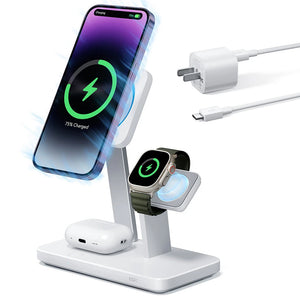


Battery anxiety is a real thing. You unbox that sleek new phone, but before the excitement even wears off, you’re already digging into the settings to check the battery's health. Then you watch it tick down, week after week—even when you’re sure you’re doing everything “right.” It’s a bizarre kind of tech paranoia that manufacturers created by adding that metric in the first place. It was supposed to reassure you. Instead, it’s made battery degradation an obsession.
At ESR, we’ve noticed a shift: users are asking about long-term battery endurance before they even decide on a model. With Samsung's Galaxy S26 launch just around the corner, early demand already heating up, that concern is only mounting.
Whether you’re eyeing the new Samsung flagship or stressed about your current phone’s stamina, this guide cuts through the myths to tell you exactly what works. We’ve tested these strategies ourselves. Results vary based on your life and environment, so treat this as your practical playbook, not a magic bullet.
How Long Android Batteries Actually Hold Up
First things first: your phone’s battery won't suddenly give up. It degrades slowly, predictably, and according to the same lithium-ion chemistry we’ve had for years.
Android devices ship with batteries engineered to withstand 300 to 500 full charge cycles before you see a significant dip in performance. That translates to roughly two to three years of standard daily use. After that mark, your phone simply won't last as long between charges, and demanding apps will drain it faster.
A new battery is at 100% capacity, ready to store its full power (say, 4,000–5,000 mAh). After two years, that battery might drop to 85% health—meaning it can now only hold 3,400–4,250 mAh. That’s a significant difference. That’s the gap between getting through your whole day and scrambling for an outlet at 5 PM.
Checking Battery Health on Samsung and Other Androids
The frustrating part? Not every Android maker makes this easy. Some bury the setting deep. Here’s the quick lookup:
-
Samsung Galaxy Devices:
-
Open the Samsung Members app (it’s pre-installed)
-
Tap "Get Help"
-
Select "Interactive checks" > "Battery."
-
You’ll see the precise health percentage right there.

-
-
Google Pixel:
-
Go to Settings > Battery > Battery usage.
-
Note: Pixel doesn't display a visible "Health Percentage" like Samsung. Instead, rely on the detailed usage data to identify unusual drain patterns or irregularities.
-
-
Other Android Phones (OnePlus, Xiaomi, etc.):
-
Try the dialer code: Open your Phone app, type: *#*#4636#*#*. Select "Battery information" if it pops up.
-
If the code fails (it won’t work on all models): Third-party apps like AccuBattery or DevCheck offer decent health estimates, but the phone's built-in system checks are always the most reliable source.
-
The Bottom Line on the Number: The real replacement threshold is below 80% health. At that point, the degradation hits you hard—your phone won't reliably last a full day. Between 80–90%? You’re fine. Above 90%? You've got plenty of life left.
Don't check it daily. Battery health doesn't move that fast. Check it once a month. That’s the difference between being informed and feeding the anxiety.
Maintaining Battery Health from Day One
Most people assume battery care means following a list of stressful, rigid rules: "Charge to 80%, never fast charge, never overheat it, never do anything fun."
Relax. Modern batteries are built for real life, not for the museum. You don’t need to treat your phone like it’s made of glass. The goal isn't perfection; it's smart, consistent habits.
To help, here are the key actionable factors that really impact your phone’s battery lifespan—and which you can safely ignore.
The 20-80% Charging Sweet Spot
This isn't a myth; it’s battery science. Keeping your phone's charge between 20% and 80% stresses the cells significantly less than running it from 0% to 100%.
Why? Lithium-ion cells operate at lower voltages within that range, which minimizes strain. Here’s the practical rhythm:
-
Plug in when you hit 20%.
-
Unplug when you reach 80% (many newer Samsung models let you set this limit in Settings).
-
Avoid routinely hitting 0% or leaving it plugged in all night at 100%.
The Reality Check: No one adheres to this 100% of the time, and that’s fine. Occasional charging to 100% won't kill your device. But if you want your phone to last three to four years instead of two, adopting this habit even 70% of the time makes a measurable, compounding difference.
Heat Is the Battery’s Worst Enemy
If you remember one takeaway: Heat kills batteries faster than anything.
A battery kept between 25°C - 40°C (77°F - 104°F) with smart charging should retain 85–96% of its capacity after a year. If that same battery is constantly reaching 60°C (140°F), it could lose 35% of its capacity in just three months.
If you remember one takeaway, make it this: heat ages batteries faster than almost anything else.
Lithium-ion batteries are at their healthiest around room temperature. Once operating temperatures regularly climb above that—especially past roughly 35–40°C (95–104°F)—the chemical reactions inside the cell speed up. That accelerates irreversible capacity loss, even if you’re charging “correctly.”
Sustained high heat is where the real damage happens. Batteries that frequently run hot at 60°C (140°F) or more—whether from fast charging, heavy use, or poor thermal management—can lose capacity far more quickly than those kept cool. Push temperatures into extreme territory for extended periods, and degradation compounds rapidly, shaving months (or more) off a battery’s usable lifespan.
Actionable Steps:
-
Never leave your phone in a hot car or in direct sunlight.
-
Don't charge it on a windowsill in the summer.
-
Avoid intensive use (gaming, GPS, video calls) while charging.
-
If your phone feels hot while charging, unplug it immediately and let it cool.
-
Remove thick cases that trap heat during charging sessions.
High-Demand Apps While Charging
This is a huge heat generator. Using your phone heavily while it's charging creates a "parasitic load" — meaning the phone is trying to charge its battery while power-hungry apps are running. The battery is essentially both discharging and pulling power in at the same time. This constant conflict distorts the charge cycle and causes excessive heat buildup. Save the gaming, streaming, and intense navigation for when you're off the charger.
The biggest offenders:
-
Mobile gaming
-
Long GPS sessions (Google Maps, Waze)
-
TikTok + max brightness
Wired vs. Wireless & The Overnight Myth
Wireless Charging: Efficiency Matters
Here’s the deal: Wired charging is more efficient. It’s about 80%-95% efficient, while wireless can be anywhere from around 65%-75%. That extra inefficiency in wireless translates to wasted energy in the form of heat. This heat causes slightly faster degradation (up to 5–10% per year), but only if you use a cheap, low-quality charger.
A high-quality wireless charger with good thermal management helps avoid that issue. This is why Qi2 chargers are a game-changer: they’re engineered to minimize the heat caused by efficiency losses that plagued older wireless pads.
Key takeaway: Wired charging gives your battery the best chance at longevity, but wireless is still safe if you’re using a quality, certified charger.
Overnight Charging: Relax, It’s Not Catastrophic
Modern phones are smart. They stop or slow charging once they hit 100%. While trickle charging at full capacity does put some minor stress on the battery, it’s not the battery killer everyone frets over. That said, if you have the option, avoiding an all-night 100% charge is smarter in the long term.
If your Samsung phone supports it, use the feature that limits overnight charging to 85–90%. It's the easiest way to preserve battery life.
Choosing Your Gear: Chargers and Phone Cases
This is where people often waste money on the wrong things.
Third-Party Chargers: When Are They Safe?
Samsung officially recommends using only Samsung chargers. That's sound advice. Third-party options range from excellent to downright dangerous. Cheap knockoffs lack proper voltage regulation and temperature control, leading to inconsistent speeds and dangerous heat.
However, reputable third-party brands like Anker and ESR make excellent, certified chargers (look for UL or CE marks). Stick with well-known brands with a track record of safety and quality control. If you’re unsure, an official Samsung charger is a guaranteed safe bet, and since they stopped including one in the box, you’ll have to buy one anyway—might as well make it reliable.

Fast Charging: Used Smartly, It’s Fine
Fast charging won't destroy your battery if you use it correctly. Modern phones manage the speed to prevent overheating. Hitting 0–50% at high wattage? Totally fine. The damage occurs when you combine high-wattage charging with sustained heat exposure.
The Smart Way to Fast Charge:
-
Use it for quick top-ups (15–20 minutes).
-
Avoid fast charging when the phone is already hot (from gaming or the sun).
-
Don't fast-charge overnight; switch to a slower charger or limit the charge level.
The Case Connection: Heat Traps
Most people overlook this: A thick protective case traps heat during charging. If your phone feels hot when plugged in, the case could be a contributor.
The fix isn't going case-free. Instead, remove a bulky case during charging, or invest in a case with better heat dissipation, like one with integrated MagSafe magnets.
The Game Changer: MagSafe Cases and Qi2 Alignment
Traditional wireless charging relies on you placing your phone perfectly. Slight misalignment dramatically reduces efficiency, leading to greater heat.
MagSafe cases for Android (yes, they work with Galaxy devices) use magnets to snap your phone into perfect alignment with the charging coil. This means:
-
Better energy transfer (less wasted heat).
-
Faster, more consistent charging.
-
A noticeably superior wireless charging experience.
If you charge wirelessly, pairing a quality Samsung MagSafe case with a Qi2 charger is the most effective way to protect your battery in the long term.
The Real Bottom Line
Your Android battery will decline. It’s chemistry. But you can control whether that’s a three-year gradual decline or an eighteen-month nosedive. The difference is entirely about heat control, quality gear, and simple habits.
Start with these three rules:
-
Keep the charge between 20–80% whenever practical.
-
Control the heat (avoid hot cars, gaming while charging).
-
Invest in a certified charger (especially a Qi2 unit if you charge wirelessly).
When the Galaxy S26 arrives, and you’re stressed about its long-term health, remember this: these habits stack up. Do them consistently, and your phone will still be going strong in three years. Ignore them, and you’ll be shopping for a replacement battery—or phone—sooner than you want.
The best time to protect your battery was the day you bought it. The second-best time is today.
FAQ
Why Is My Phone Battery Draining So Fast?
Check Settings > Battery > Battery usage. Kill background apps you don't need. Disable location services for apps that don't need it. Turn off 5G if you're not using it. Lower your screen brightness. If nothing helps, your battery is probably old and needs to be replaced.
How Much Does a New Battery Cost?
Depends on your phone. Samsung Galaxy S-series runs $69-$99. A-series is $49-$69. Other phones are $30-$70. Go through an official service center. It costs more, but you get real parts and a warranty that means something.
What's the Best Battery Percentage Range?
30-80% is ideal. If that's not realistic, aim for 50% minimum and try not to charge past 90%. The point isn't perfection—it's reducing stress on the cells. Even if you can't hit these numbers every day, following them most of the time helps significantly.
Note:
These strategies have been tested and proven effective, but results may vary depending on individual usage, environment, and device specifications. For battery replacement and maintenance, use authorized service centers.
You may aslo like to read:
1、The Qi2 Revolution: Why your Android Phone Finally Beats iPhone at Wireless Charging
2、7 Phone Charger Types You Should Know: Choose The Right One


